
2026 / Dir. Markus Schleinzer / 2026 Chicago International Film Festival
Watch if you like: Michael Haneke; Béla Tarr; the brutal nihilism that only German and Austrian cinema can provide.
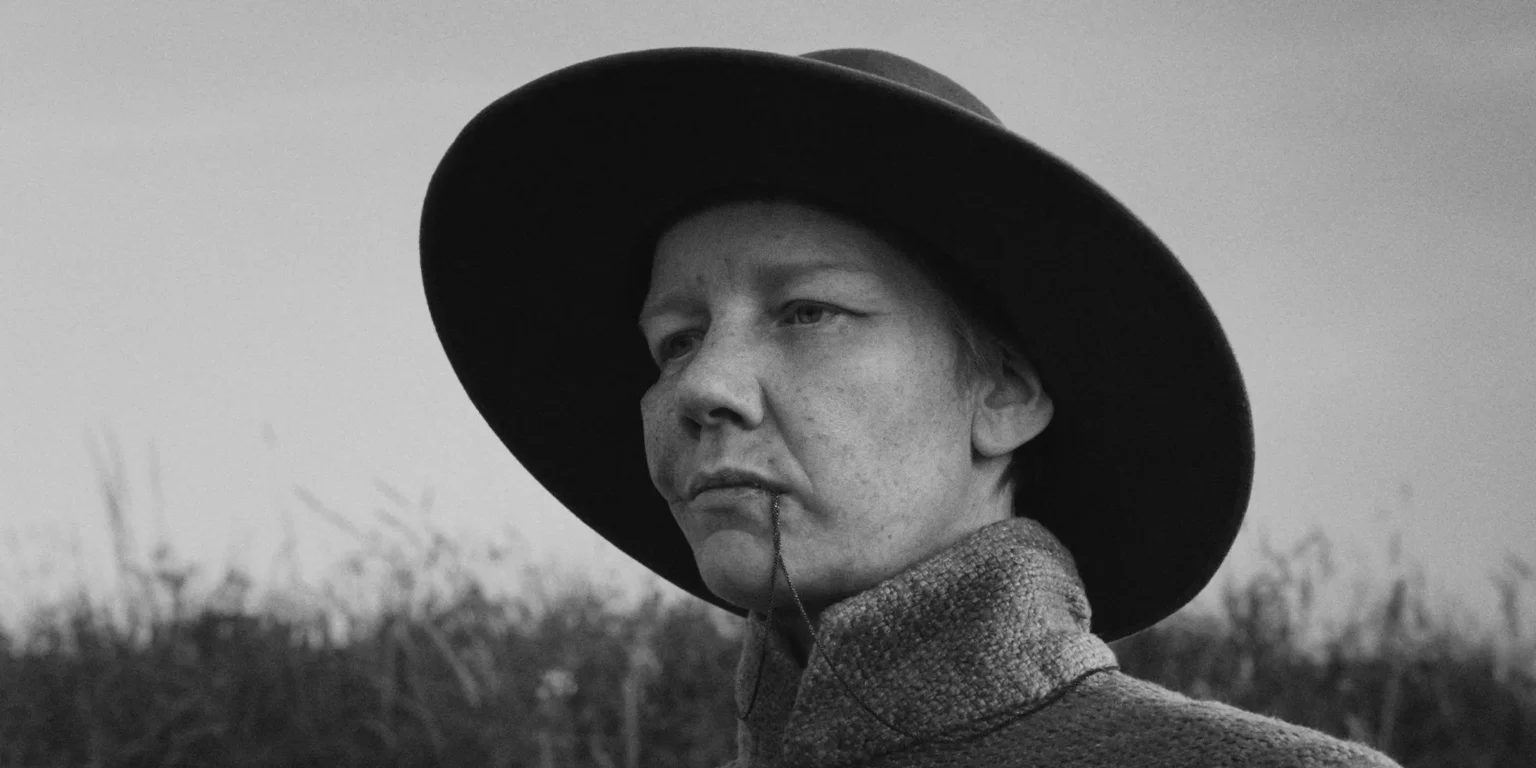
Based on hundreds of historical accounts of women living as men in Europe, Sandra Hüller (Fatherland) plays the fictionalized Rose, who, after serving as a man in the Thirty Years’ War, “Don Draper’s” herself to claim the inheritance of a dead soldier: a crumbling rural farm where she may find some peace and freedom. Though the town looks upon the diminutive soldier with a gnarly scar across her face with suspicion (she wears the bullet that ripped her face open on a necklace), Rose becomes a pillar of the community after courageously shooting a rampaging bear in the face with a gun. But when Rose has to marry and have a child to expand her farm’s borders, life gets even harder for a woman pretending to be a man in the mid-1600s.
The film’s most striking feature, aside from that scar, is the gritty yet painterly black-and-white photography of Gerald Kerkletz (a regular in Markus Schleinzer’s other bleak films). It looks like early daguerreotype photos; you could freeze-frame any second of it and hang it on your wall. You feel immersed in this world, in its coldness and dirtiness. I’m looking forward to when Rose is streaming so I’ll have time to pause and sift through the world it’s created.
More than its looks, Hüller carries the film with an appropriately rugged performance. Though Rose is fully immersed as a man, she does so for a better chance at having a life she can determine, rather than for gender identity (it’s still very easy to see this as a story of queer perseverance and persecution if you wish). Instead, Rose becomes the ultimate rebuke to patriarchy, truly embodying “anything you can do, I can do better.”

Leave a Reply