
‘Lincoln’ is the Better Angel of Biopics
The Scoop features personal essays on movie-related topics.
As both an American history lover and a cinephile, I’ve seen so many ways a biopic can go wrong. Too long a timespan. Bad aging makeup. On-the-nose references as fan service at the expense of strong storytelling.
Steven Spielberg’s 2012 masterpiece Lincoln has none of those things.
Strive on to finish the work
Spielberg had wanted to make an Abraham Lincoln movie since 2001, when DreamWorks bought the rights to historian Doris Kearns Goodwin’s biography of the 16th president that hadn’t even been written yet. By the time Team of Rivals: The Political Genius of Abraham Lincoln was published in 2005, the film was in pre-production with Liam Neeson set to star. But then the project was plagued by the typical delays that can happen in Hollywood no matter the pedigree of the filmmaker or source material: script rewrites, distributor deals, even a major casting change when Neeson dropped out after the first table read in 2010.
I followed each of these developments with anxious anticipation as if they were telegraphed updates from the battlefield. Beyond the behind-the-scenes drama, how much of Lincoln’s legendary life would the film cover? Would they commit to his historically accurate “shrill” voice? Who would play Secretary of State William Seward??
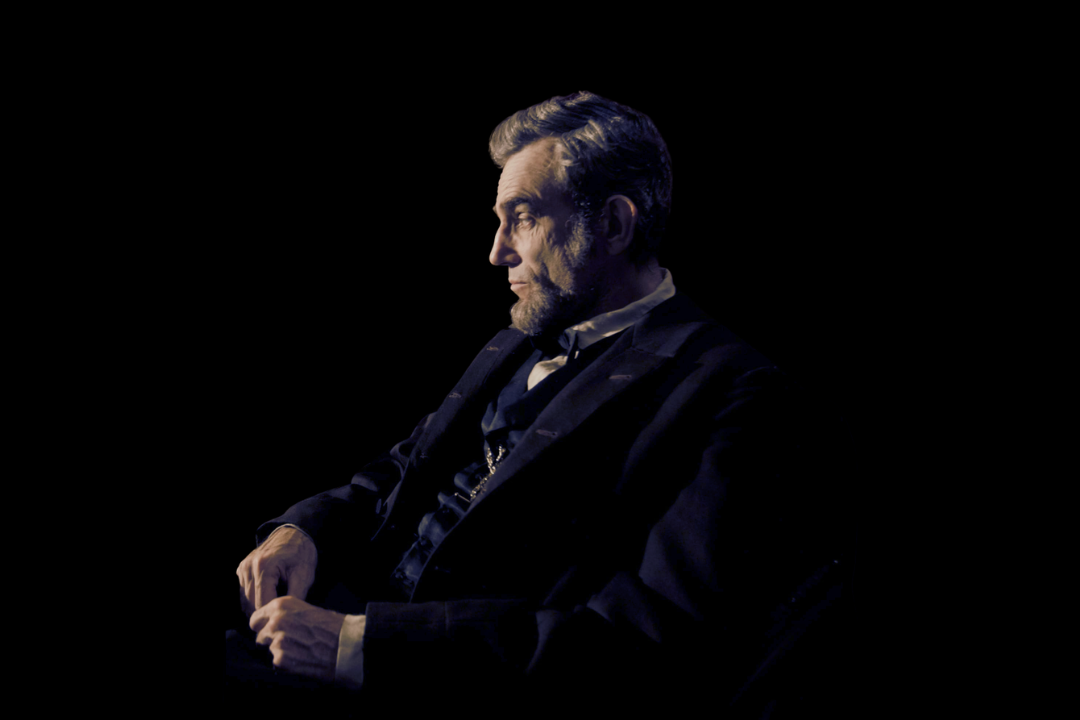
Neeson’s abrupt departure felt like another devastating blow to the film’s prospects. But once Daniel Day-Lewis signed on soon after to play the title role, all my agitation ceased. Then once I saw the pre-release images of him in half and full regalia, I knew the film would be something special.
A life (un)divided
What arrived on the big screen in November 2012—right after the U.S. presidential election and screened at the White House no less—surpassed my expectations, not just as a work of art but more specifically as a biopic.
Spielberg was no stranger to the form, having tackled several historical events and figures both real (Schindler’s List, Amistad, Catch Me If You Can, Munich) and fictionalized (Empire of the Sun, Saving Private Ryan, War Horse). But he really had the better angels of the genre by his side for this project. One key reason was the choice by Pulitzer Prize-winning screenwriter Tony Kushner to narrow the script’s focus from a sprawling, cradle-to-grave biography to just the last four months of Lincoln’s life in the spring of 1865, which covers the end of the Civil War and the passage of the Thirteenth Amendment abolishing slavery in the United States.
Why that works so well is because these two transformational and intertwined events also happen to serve as synecdoches for Lincoln’s entire presidency. Slavery was the number one economic and cultural issue of the time, and it had plagued the republic ever since its founding more than four score and seven years previous. Though Lincoln was not an abolitionist, he was against slavery in principle and used his powers as president and commander in chief to steer it towards extinction. The Emancipation Proclamation of 1863 was his first major foray, but he knew it was on shaky legal ground—hence the push for full, legally secure abolition via the Thirteenth Amendment.
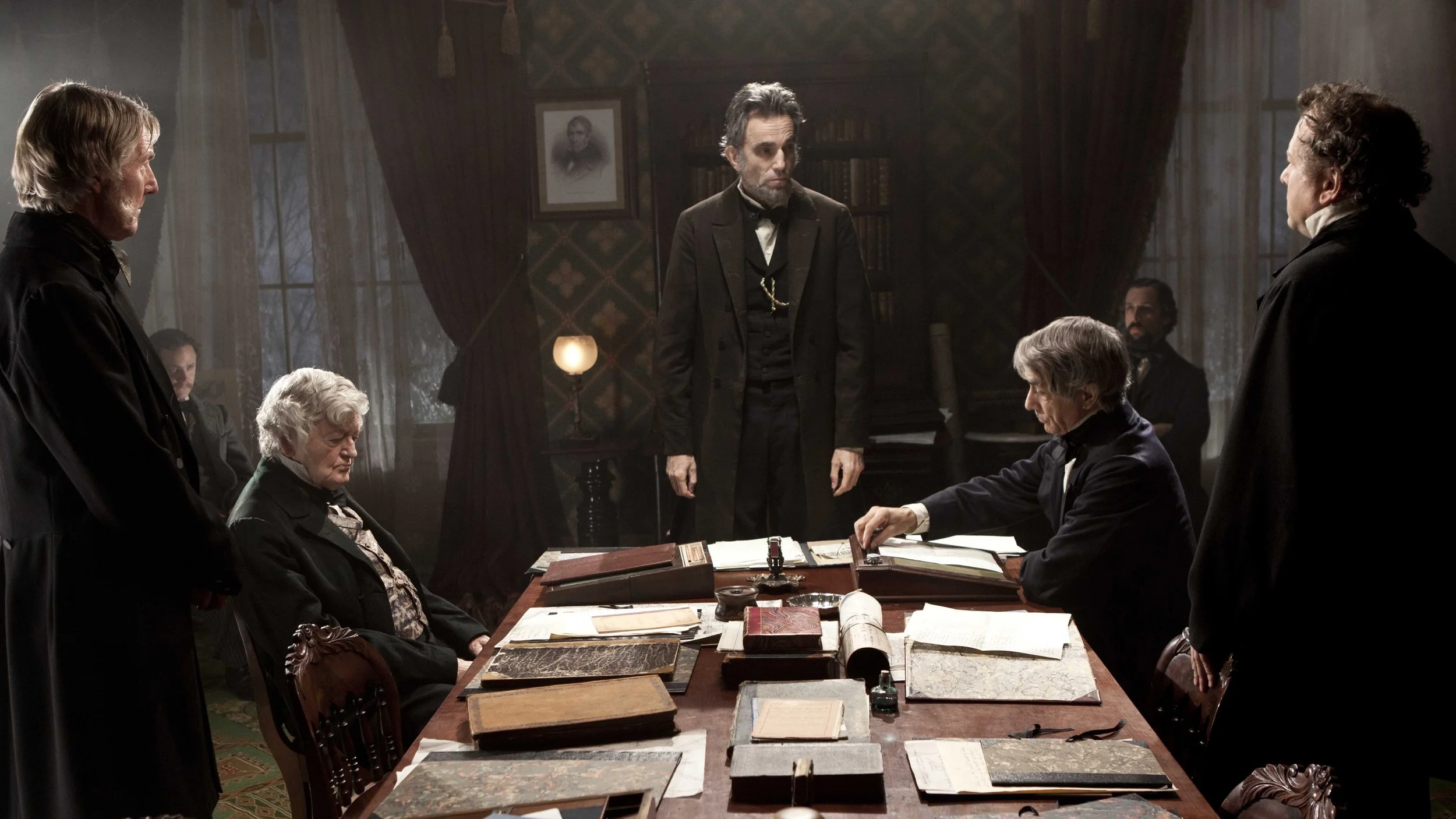
Passing legislation is never easy, let alone when it involved a third-rail issue like slavery. The film is clear-eyed about how the political sausage gets made: not through the soaring rhetoric we associate with the Great Emancipator but through backroom deals, strong-arming, bitter compromises, and straight-up bribes by hired hands in the form of patronage jobs. There’s a moment in the film that illustrates this well, when Lincoln secretly meets with a Confederate delegation in February 1865 to negotiate peace. He makes a sincere appeal to them to stop the bloodshed and embrace democracy—which is summarily rejected, and the war continues. As does the behind-the-scenes finagling for support of the amendment all the way until the climactic vote.
An honest Abe
But as much as Lincoln is a portrait of a single president and the political machinations of mid-19th century America, it’s also the story of a family.
As a president, you have no work/life balance. Besides literally living in the same place you work, your day is defined by having to make endless tough decisions on a range of issues large and small, with everyone who enters your orbit asking or demanding something of you. This has gotten even more pronounced in modern times thanks to globalization and the internet, but even in the seemingly simpler frontier era it was an enormous job for just one person. You see that weight on Lincoln’s Lincoln, greyed and weary after four years as commander in chief waging an existential war that was happening on distant battlefields but also in his home.
Maybe it’s because I’m a working parent of two young boys struggling and often failing to hit the right balance, but that duality awes me every time I watch it. We witness him hold court in tempestuous cabinet meetings (“I am the President of the United States of America, clothed in immense power!”) and tenderly carry his sleeping son Tad to bed. We sit alongside as he charms Union soldiers with folksy stories and tussles with the firebrand Thaddeus Stevens about legislative theory. And we see him in a volcanic quarrel with his wife Mary Todd borne out of grief for their late young son Willie, right before going to the theater (not that theater) to see an opera.
This multi-faceted approach allows us to appreciate the man beneath the stovepipe hat, the self-educated lawyer from Illinois who was not a mythic figure in his time but just a politician trying to achieve his goals, a husband who argued with his wife, and a father trying to protect his eldest son from harm but also do right by his understandable ambitions to serve his country.
With charity for all involved
Fundamentally, the reason the movie works is Daniel Day-Lewis. His Best Actor win is one of the most deserved in Oscars history, and somehow the first for a Spielberg movie. (The only other two are Mark Rylance for Bridge of Spies in 2015 and Ariana DeBose for West Side Story in 2021.) He nailed the reedy voice, sure—as far as we know since it was never recorded—but he also embodied so much of what has been extremely well documented about the most documented American in history. His penchant for telling stories, his wily hair, his loyal friendships with former antagonists like Seward—it’s all mesmerizing to watch brought to life.
But just like a real president, Day-Lewis needed support to succeed. The movie’s star-studded surrounding cast helped elevate what could have been a hagiographic bore into an eminently rewatchable showcase. Seriously, just look at the cast. It’s ridiculous how many of the actors with small parts have graduated to A-listers and Oscar winners in the decade and half since this movie was released. I lament not getting a similar biopic of Jared Harris’ Ulysses S. Grant or the motley crew of Tim Blake Nelson, James Spader, and John Hawkes gallivanting around D.C.
Undergirding the performances is the elite craftwork from Spielberg stalwarts, including the score from John Williams, the cinematography from Janusz Kamiński, the period production design from Rick Carter, and other indivisible elements that gel together into a Mount Rushmore-worthy triumph. (Know who else agrees with me? Wes Anderson.) We take these collaborators for granted given how Spielberg has, in a very Lincolnian way, fostered an abiding loyalty among his crew for decades. But no movie is ever a sure success until it’s made into one by people who know what they’re doing and how to do it well.
Spielberg knew what he was doing with Lincoln, and our nation so conceived is better off for it.